
What Are the Signs of Failing Galvanized Pipes?
Galvanized steel pipes were once the standard for residential plumbing. Homes built between the 1940s and late 1970s commonly used galvanized supply lines.
At the time, they were considered durable.
But galvanized pipes have a lifespan — and many are now at or beyond it.
If your home still has original galvanized plumbing, recognizing early signs of failure can prevent major water damage and costly emergency repairs.
For a broader understanding of aging plumbing systems, review the complete guide to repiping older homes here:
What Are Galvanized Pipes?
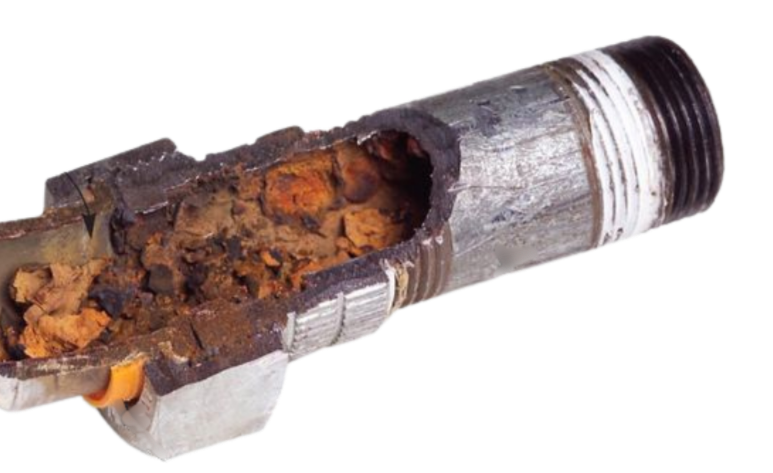
Galvanized pipes are steel pipes coated in zinc to prevent rusting.
Over time, that zinc coating deteriorates. Once exposed, the steel underneath begins to corrode. Unlike visible exterior rust, corrosion inside galvanized pipes occurs quietly, narrowing the interior passage until water flow is restricted.
1. Brown or Rusty Water
One of the most common indicators of failing galvanized pipes is discolored water.
As corrosion builds inside the pipe, rust flakes can break loose and enter your water supply.
If you’re seeing brown water, especially after the water has been sitting overnight, this is often due to internal pipe corrosion.
Learn more about brown water causes here:
Brown Or Rusty Water In Older Home
2. Gradually Decreasing Water Pressure
Galvanized pipes corrode inward.
Over the decades, mineral scale and rust buildup reduce the pipe's interior diameter. The result is restricted flow and lower pressure throughout the home.
If your pressure has steadily declined rather than suddenly dropped, aging galvanized piping is a common cause.
More on low pressure in older homes:
What Causes Low Water Pressure in Older Houses?
3. Frequent Leaks or Pinhole Failures
As corrosion spreads, pipe walls thin and weaken.
Eventually, small pinhole leaks form. Homeowners often repair one section, only to have another leak appear months later in a different location.
Multiple leaks in different areas often indicate systemic deterioration rather than isolated failure.
If this is happening in your home, review how to know if your house needs repiping:
4. Visible Exterior Corrosion
If you have exposed plumbing in a basement, garage, or crawlspace, look for:
Flaking metal
White mineral buildup
Orange or reddish rust
Uneven pipe surfaces
Exterior corrosion often reflects advanced interior deterioration.
5. Water Quality Changes
In some cases, homeowners notice:
Metallic taste
Cloudy water
Sediment in aerators
Clogged faucet screens
These issues can result from corrosion debris traveling through the plumbing system.
You may also want to review whether old galvanized pipes pose health risks:
Are Old Galvanized Pipes a Health Risk?
6. Your Home Was Built Before 1980 and Has Original Plumbing
Age alone is not failure — but it is a strong indicator.
Galvanized pipes typically last 40 to 60 years, depending on water quality and usage.
If your home is within or beyond that range and still contains original galvanized piping, it is likely operating on borrowed time.
A deeper look at pipe lifespan:
How Long Do Galvanized Pipes Last?
Why Galvanized Pipes Fail from the Inside Out
Unlike copper, which often shows visible deterioration, galvanized pipes deteriorate internally first.
This makes early detection difficult.
By the time pressure loss or leaks occur, significant interior corrosion has often already taken place.
Waiting for a major rupture increases repair costs and potential interior damage.
Should You Repair or Replace Galvanized Pipes?
Isolated repairs can temporarily solve individual leaks.
However, if corrosion is widespread, replacing small sections does not stop deterioration in the remaining lines.
Full repiping is often recommended when:
Multiple leaks have occurred
Water pressure continues to decline
Water discoloration is consistent
The plumbing is 40+ years old
If several signs are present, returning to the full repiping guide may help clarify next steps:
The Complete Guide To Repiping Older Homes
Frequently Asked Questions About Galvanized Pipes
How long do galvanized pipes last?
Most galvanized steel pipes last between 40 and 60 years depending on water conditions and maintenance.
Are galvanized pipes bad for your health?
As pipes corrode, rust and sediment can enter the water supply. While rust itself is not typically toxic, corrosion can impact water quality and should be evaluated.
Can galvanized pipes be cleaned instead of replaced?
Cleaning may temporarily improve flow in limited cases, but it does not restore structural integrity to deteriorating pipe walls.
Do all homes with galvanized pipes need repiping?
Not immediately. However, homes with original galvanized plumbing that are over 40 years old are commonly in the replacement window and should be evaluated.