
Why Do Pipes Corrode Faster in Certain Climates?
Understanding Environmental Impact on Plumbing
Not all plumbing systems age at the same rate.
Two homes built in the same year with the same piping materials can experience very different lifespans depending on climate and water conditions.
If you own an older home, understanding how environmental factors affect pipe corrosion can help you anticipate problems before they become emergencies.
For a complete overview of aging plumbing systems, review the full guide here:
The Complete Guide To Repiping Older Homes
What Causes Pipe Corrosion in the First Place?
Corrosion occurs when metal reacts with water and oxygen over time.
In plumbing systems, this process is influenced by:
Water chemistry
Temperature fluctuations
Soil composition
Humidity levels
Water pressure
Galvanized steel and copper are both susceptible to corrosion, but environmental conditions determine how quickly deterioration occurs.
Learn more about galvanized pipe lifespan here:
How Long Do Galvanized Pipes Last?
1. Hard Water and Mineral Content
Hard water contains elevated levels of calcium and magnesium.
Over time, mineral deposits accumulate inside pipes, causing:
Scale buildup
Restricted water flow
Increased internal pressure stress
Accelerated corrosion
Homes in hard water regions often experience a narrowing of the pipe diameter much sooner than expected.
Low water pressure in older homes is frequently linked to mineral buildup:
What Causes Low Water Pressure in Older Houses?
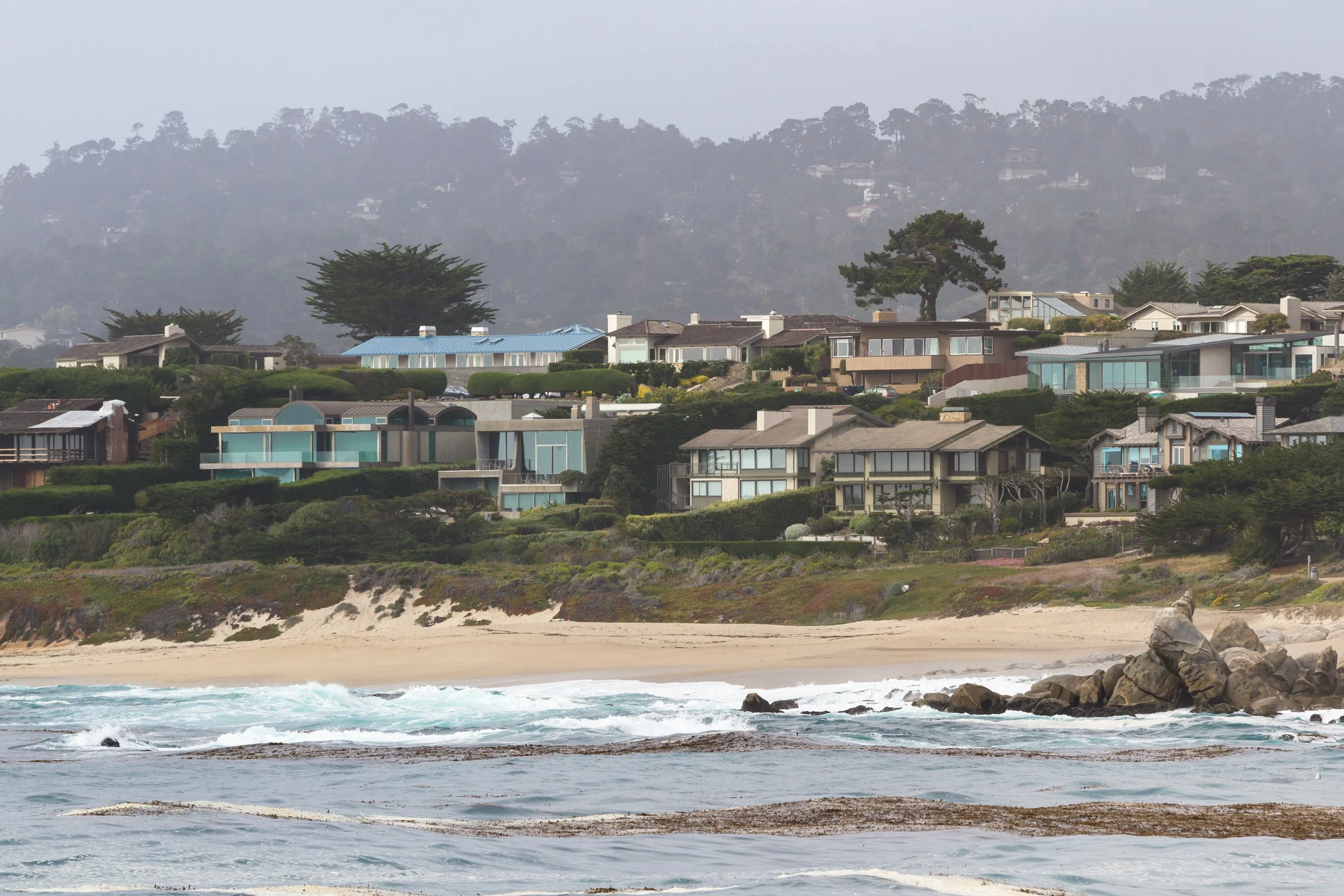
2. Coastal and Humid Environments
Homes located near coastal regions or in consistently humid climates often experience accelerated exterior pipe corrosion.
High moisture levels can:
Increase oxidation rates
Promote surface rust on exposed pipes
Shorten the lifespan of metal fittings
While interior corrosion is influenced more by water chemistry, humid environments contribute to overall system wear.
3. Soil Conditions and Slab Foundations
In homes built on concrete slabs, water lines often run beneath the foundation.
Soil conditions play a significant role in pipe longevity.
Highly acidic or alkaline soil can:
Accelerate copper pipe corrosion
Contribute to slab leaks
Cause pipe wall thinning
If your home has experienced unexplained slab leaks, see:
Hidden Pipe Leaks In Older Homes
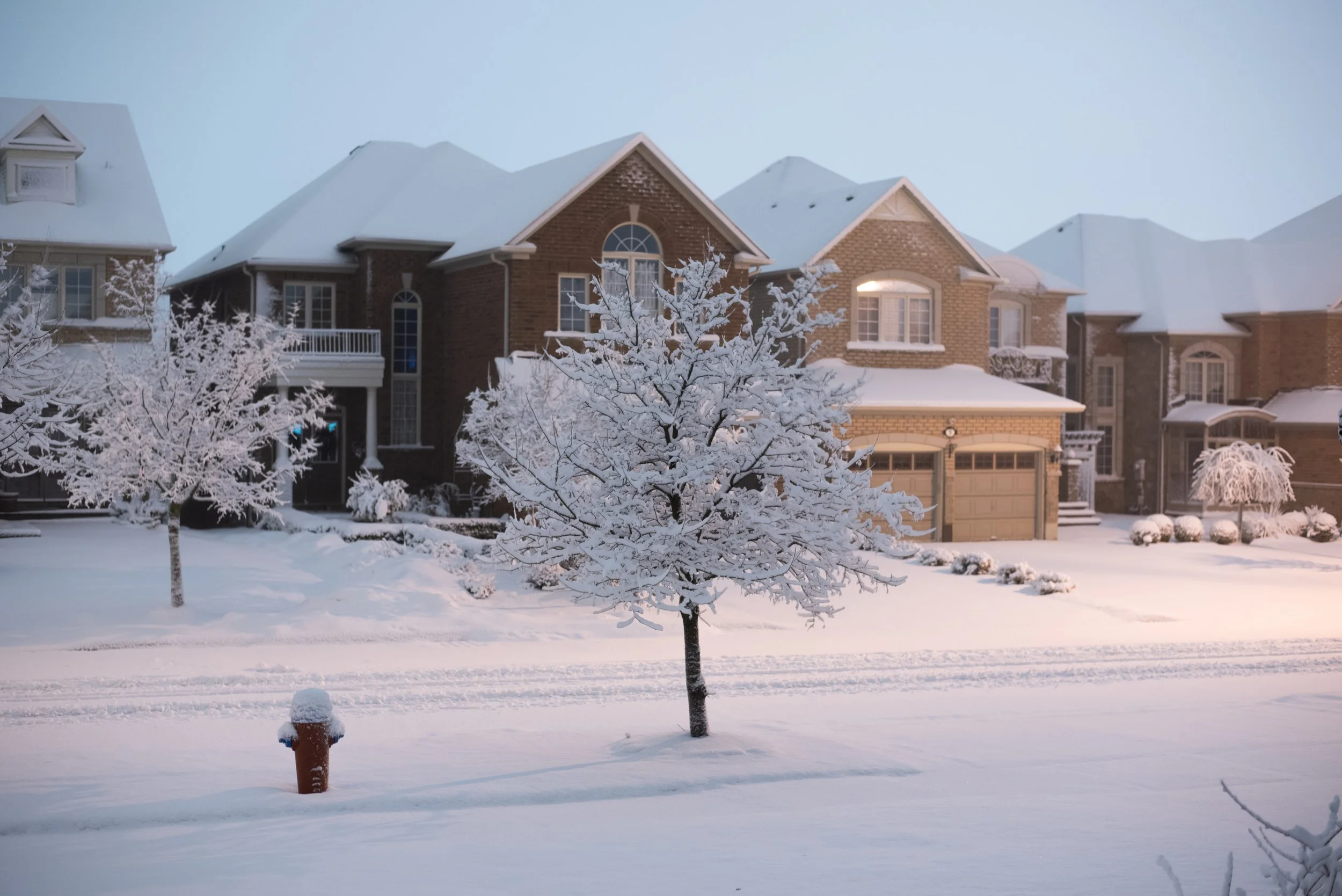
4. Temperature Fluctuations
Regions with extreme seasonal temperature swings can experience:
Thermal expansion and contraction
Pipe stress at joints
Increased pressure on aging connections
Over time, repeated expansion and contraction can weaken pipe integrity.
5. Water pH Levels
Water with low pH (acidic water) is especially aggressive toward copper piping.
Acidic water can:
Dissolve small amounts of copper
Thin pipe walls over time
Increase risk of pinhole leaks
Testing water quality is an effective way to assess corrosion risk.
Why Some Homes Fail Earlier Than Expected
A home built in 1975 in one region may still function reliably, while another built the same year elsewhere may have already required repiping.
The difference often comes down to:
Water chemistry
Humidity exposure
Soil interaction
Usage patterns
That’s why age alone does not tell the full story.
If your home is over 40 years old and showing warning signs, review how to determine whether repiping may be needed:
How Do I Know If My House Needs Repiping?
Can You Prevent Pipe Corrosion?
While corrosion cannot be completely stopped, you can slow its progression by:
Installing water softeners (in hard water areas)
Monitoring water pressure
Testing water pH levels
Addressing leaks promptly
Scheduling periodic plumbing evaluations
However, once internal corrosion is widespread, replacement may become the more reliable long-term solution.
When to Consider Proactive Replacement
Environmental factors accelerate aging, but visible symptoms are the strongest indicators.
Consider evaluation if:
Your home is 40+ years old
You experience declining pressure
Water is discolored
Multiple leaks have occurred
Your region has known hard water or high humidity
Planning replacement proactively reduces the risk of emergency failure.
For a full overview of the repiping process, return to the main guide here:
The Complete Guide To Repiping Older Homes
Frequently Asked Questions About Pipe Corrosion and Climate
Does hard water cause pipes to corrode faster?
Yes. Hard water deposits minerals inside pipes, which can restrict flow and increase internal stress, accelerating corrosion over time.
Are coastal climates harder on plumbing?
Coastal and humid environments can increase exterior pipe corrosion and contribute to overall system wear.
Can soil affect underground pipes?
Yes. Soil chemistry can accelerate corrosion of pipes beneath slab foundations, increasing the risk of leaks.
Does acidic water damage copper pipes?
Yes. Water with low pH levels can thin copper pipe walls over time and increase the risk of pinhole leaks.
Can pipe corrosion be prevented completely?
No. Corrosion can be slowed through water treatment and monitoring, but aging metal piping will eventually deteriorate.