
Hidden Pipe Leaks in Older Homes: Warning Signs, Causes & When to Repipe
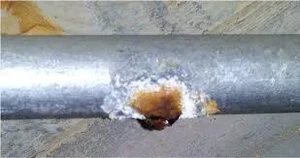
Older homes are known for charm and character. But behind the walls, aging plumbing systems can develop hidden leaks that go unnoticed for months — sometimes years.
Unlike visible plumbing failures, hidden leaks often begin quietly inside walls, ceilings, or beneath slab foundations.
If your home was built before the 1980s and still has original supply lines, understanding the early warning signs can prevent structural damage and costly repairs.
For a full overview of aging plumbing systems, review the complete guide to repiping older homes here:
The Complete Guidee To Repiping Older Homes
Why Hidden Leaks Are Common in Older Homes
Most hidden leaks in older homes stem from aging supply lines.
Common causes include:
Galvanized pipe corrosion
Copper pipe wall thinning
Mineral buildup creating pressure stress
Foundation shifting in slab homes
Improper pipe support over time
Galvanized steel pipes, in particular, corrode from the inside out. Over decades, interior rust buildup weakens the pipe wall until pinhole leaks develop.
If your home still contains galvanized plumbing, review the signs of failure here:
What Are The Signs Of Failing Galvanized Pipes?
Early Warning Signs of Hidden Pipe Leaks
Hidden leaks rarely start dramatically. Most give subtle clues first.
Unexplained increase in water bill
Sudden spike in usage without lifestyle change
Drop in water pressure
Especially, a gradual pressure loss across fixtures
Warm spots on the flooring
Often associated with slab leaks on hot water lines
Musty odors
Persistent damp smells inside walls or cabinetry
Staining or bubbling paint
Water intrusion behind drywall
Mold or mildew growth
Even small leaks can create humidity pockets
If you’re unsure whether your home shows broader failure signs, review:
How Do I Know If My House Needs Repiping?
Slab Leaks in Older Homes
Many mid-century homes were built on concrete slabs with water lines embedded beneath the foundation.
Over time:
Soil movement
Thermal expansion
Corrosion
can cause pipe fractures beneath the slab.
Slab leaks are particularly concerning because they can:
Undermine foundation stability
Increase structural repair costs
Go undetected longer
Early detection and evaluation are critical.
Why Spot Repairs May Not Solve the Problem
Homeowners often repair a single leak only to face another months later.
If multiple leaks appear in different areas over time, the issue may not be isolated — it may be systemic deterioration.
Older galvanized systems frequently develop widespread internal corrosion. Repairing one section does not stop deterioration elsewhere.
If you are repairing leaks repeatedly, reviewing the broader repiping guide may help clarify next steps:
The Complete Guide To Repiping Older Homes
When Is It Time to Consider Repiping?
You should strongly consider professional evaluation if:
Your home is 40+ years old
You’ve had multiple leak repairs
Water pressure continues to decline
Water is discolored
Your plumbing is original galvanized steel
At that stage, replacing small sections may become more expensive long-term than full system replacement.
Can Hidden Leaks Cause Structural Damage?
Yes.
Even small pinhole leaks can lead to:
Drywall deterioration
Cabinet damage
Floor warping
Subfloor rot
Foundation erosion (in slab homes)
Hidden leaks are not just plumbing problems — they can become structural issues.
How Are Hidden Leaks Detected?
Professional leak detection may involve:
Pressure testing
Thermal imaging
Acoustic listening devices
Moisture mapping
However, identifying the leak does not resolve the condition of the remaining aging pipes.
Detection answers “where.”
Evaluation answers “why.”
Final Thoughts
Hidden pipe leaks in older homes are rarely random events. They are often symptoms of aging supply systems reaching the end of their lifespan.
The earlier you evaluate the full system, the more control you maintain over cost, scheduling, and damage prevention.
If your home is showing early warning signs, don’t wait for visible failure.
Start by reviewing the complete repiping guide here:
The Complete Guidee To Repiping Older Homes
Frequently Asked Questions About Hidden Pipe Leaks in Older Homes
What causes hidden pipe leaks in older homes?
Hidden leaks are commonly caused by aging galvanized pipes, copper pipe wall thinning, mineral buildup, and foundation movement over time.
How do I know if I have a hidden plumbing leak?
Common signs include unexplained increases in water bills, reduced water pressure, musty odors, warm spots on floors, and visible wall staining.
Are slab leaks common in older homes?
Yes. Homes built on concrete slabs often have water lines beneath the foundation. Over time corrosion and soil movement can cause pipe fractures.
Can I repair just one leak instead of repiping?
Isolated leaks can be repaired. However, repeated leaks often indicate widespread pipe deterioration.
Can hidden leaks damage my foundation?
Yes. Slab leaks can erode soil beneath the foundation and potentially contribute to structural movement if left unaddressed.